Editorial Disclosure: Independent editorial — Ali attended the SHA Paris Study Abroad trip as a paying student.
I've been to Paris six times.
I've done the picnics by the Seine. I've sat on the terraces. I've eaten my weight in baguettes while wandering streets that somehow manage to be both impossibly beautiful and completely indifferent to the fact that you find them beautiful. Paris doesn't perform for you. It simply exists, and you either get it or you don't.
This time, I went on a Paris sex trip.
Not the kind you're thinking about. I went with the Sexual Health Alliance — a global organization focused on sex education, relationships, and human connection — on one of their annual Study Abroad trips. Every year they choose a city where sex culture and history intersect in genuinely fascinating ways. This year: Paris.
And what I came home with wasn't just a better understanding of French culture. It was a mirror held up to North American attitudes toward sex, desire, and intimacy — and some genuinely uncomfortable questions about what we get right, what we get wrong, and what we might be missing entirely.
The Man Who Explained It All
On day four of the trip, we sat down for a panel discussion led by Dr. Rafael Herrero — OBGYN, sexologist, writer, and the self-described Gay Gynecologist in Paris. Originally American, Dr. Herrero has lived in France for over 30 years. He has spent decades straddling both cultures professionally and personally, which gives him a perspective that is genuinely rare: he understands both sides from the inside.
You can follow him on Instagram at @GayGynoParis — and I highly recommend it.
The Central Paradox
Walk through Paris and you see erotic imagery everywhere. On postcards. On posters. In museum windows. The city has been exporting romantic and sensual imagery for centuries. The French essentially invented the language of romantic love as we know it in the Western world.
And yet. Walk through the actual streets of Paris and you see... reserved people. Not the passionate public displays of affection you imagined.
"You're putting your finger on one of the central things," Dr. Herrero told the group. "Sensuality is not something to be hidden — it should be talked about, put on display. But then in everyday life, there's a different matter entirely."
The French have the most sophisticated erotic cultural output in the world. And the most private actual sex lives. Both things are completely true.
The Branding Genius of France
After World War II, American soldiers arrived in France — young men from repressed small-town America — and encountered a culture genuinely more relaxed about pleasure, bodies, and desire. They went home and told stories. The legend grew.
"The French are great at branding," Dr. Herrero said. "They have great export of their culture."
Through cinema, through literature, through centuries of philosophers and artists who wrote openly and beautifully about desire, France built an image that the rest of the world bought completely.
Privacy Is Everything
The French right to privacy is not just a cultural preference — it is a legal framework.
Dr. Herrero summarized the difference between France and America perfectly: "France protects people from being seen. The United States protects the right to see."
Sit with that for a moment.
This extends to everything. French people don't overshare. They don't broadcast their intimate lives. Even among close friends, personal details are shared carefully and slowly, only after deep trust has been established.
Dr. Herrero shared a story: he had a French boyfriend for quite some time. During French presidential elections, he asked him who he voted for. The response: "That's private." To a boyfriend. Of several years.
In America, we'd post our ballot on Instagram. In France, even the person sharing your bed doesn't necessarily get to know.
"You're Taking All the Poetry Out of It"
Here is the moment that broke the room.
Dr. Herrero was explaining the French approach to sexual communication — indirect, suggestive, never explicit — when the conversation turned to consent. The Americans in the room pushed back immediately.
"What about consent? How do you teach consent if you can't ask directly?"
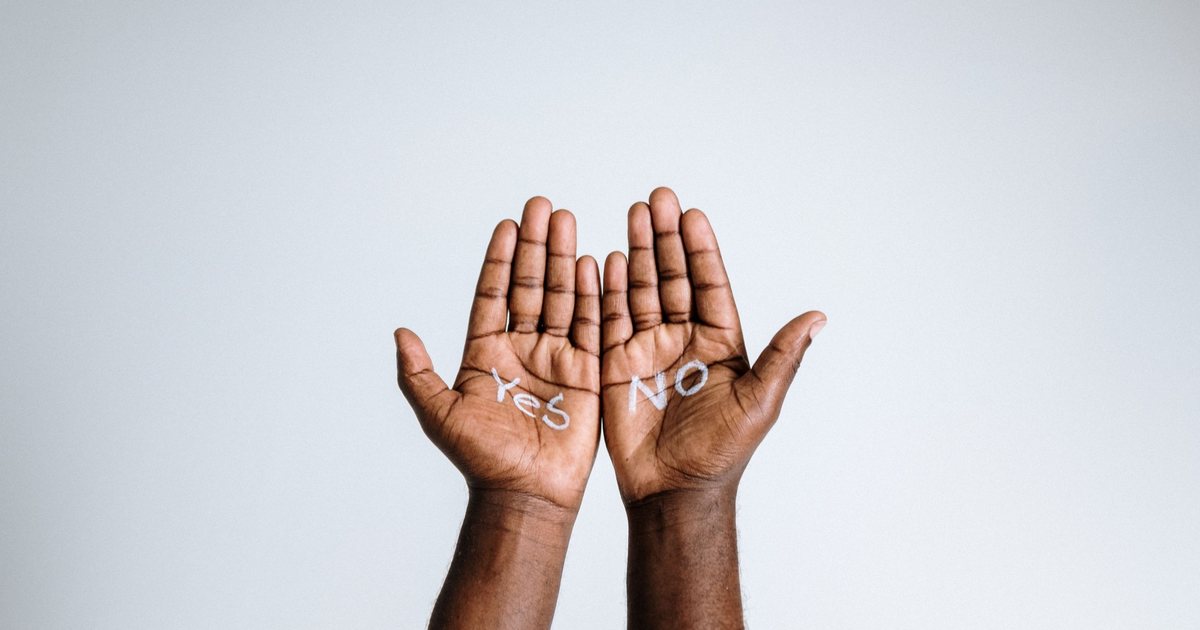
Dr. Herrero's answer: for the French, consent is not negotiated verbally. It is communicated through energy, through body language, through the gradual mutual calibration of two people who are paying close attention to each other. "When you have to talk about everything, you take all the poetry out of it. There's no mystery. And for the French, the mystery is very seductive."
Now. I need to be honest about something, because this is where it gets complicated.
The French model of consent-by-energy is genuinely seductive as a concept. And yet. "I could tell she wanted it" is exactly the reasoning that has been used to justify assault. "The energy was right" is not a legal defense.
Dr. Herrero acknowledged this directly. "I'm not saying it's good. There might be an implicit contract that's not signed. As a therapist, I think it's really important for people to talk. It's probably something the French have to work on."
The truth lives somewhere in the middle.
La Petite Mort
La petite mort — the little death.
The French named the orgasm after dying. The idea: that moment of orgasm is so intense, so all-consuming, that you briefly lose yourself. You stop existing for a second. Like a tiny death.
Americans call it "getting off." Like getting off a bus. Like completing a task. Something you need to get through so you can move on.
One culture surrenders to pleasure. The other checks it off a list.
That tells you everything.
The French Don't Moralize. They Just Don't Talk About It.
When asked whether married people having an affair is morally unacceptable, 84% of Americans say yes. In France? 47%.
This is not because the French think infidelity is fine. It is because the French are "less moralistic but also less communicative." They accept that humans are complicated, that desire doesn't follow rules, and that what happens in a relationship is the business of the people in it.
What The Crazy Horse Taught Me
Before the panel, I spent a morning at the Crazy Horse — one of Paris's most famous cabarets — for a private behind-the-scenes tour and a movement class with one of their performers, Zora Moonshine.
Watching her move was a masterclass in exactly what we'd been discussing. She taught us how to use the body, the gaze, the quality of attention — to command a room without saying a single word. To create desire through presence rather than action.
It was the French approach to desire made physical.
What The Musée Rodin Taught Me
On day one we visited the Musée Rodin. My favourite piece: The Kiss.
What makes The Kiss extraordinary is that their lips aren't actually touching. It's the exact millisecond of the lean-in. The moment just before. The anticipation frozen in marble.
Rodin understood something the French have always understood: the most erotic moment is often not the act itself. It's what happens right before. The almost. The about-to.
Desire lives in the gap.
What Each Culture Gets Right
The French understand that desire requires mystery, that seduction is a craft that rewards patience and attention, that pleasure is not shameful but admirable.
The French need to work on explicit communication about desire and consent.
Americans understand that verbal consent is essential, that asking is always better than assuming, that communication about desire and boundaries protects people.
Americans need to work on treating sex as a normal part of life rather than something alternately sensationalized and suppressed.
Dr. Herrero put it simply: "The French have more culturally normalized sexuality, less moralization — but also less explicit communication. The Americans are very direct, very clear. But they take all the poetry out of it."
Both things can be true. Both cultures have things to learn from each other.
💬 Is It Just Me?
Have you experienced the difference between French and American attitudes toward sex or the body? What struck you most?
Submit anonymously → /is-it-just-me
The Details
🏛 Sexual Health Alliance Study Abroad: sexhealthalliance.com
📱 Dr. Rafael Herrero: @GayGynoParis on Instagram
🎭 Crazy Horse Cabaret: crazyhorse.fr
🗿 Musée Rodin: musee-rodin.fr
Also in The World Issue:
- The Sexiest Thing I've Ever Seen Was in a Paris Basement
- The SHA Amsterdam Study Abroad Trip
- The SHA Prague Study Abroad Trip
About the Author
Ali Imperiale is a sex education student with the Sexual Health Alliance, a writer, and a traveler. She has visited 40+ countries and writes about sex, intimacy, and culture from wherever she currently is. The Nookie Nook is her shame-free, algorithm-free intimacy library.